
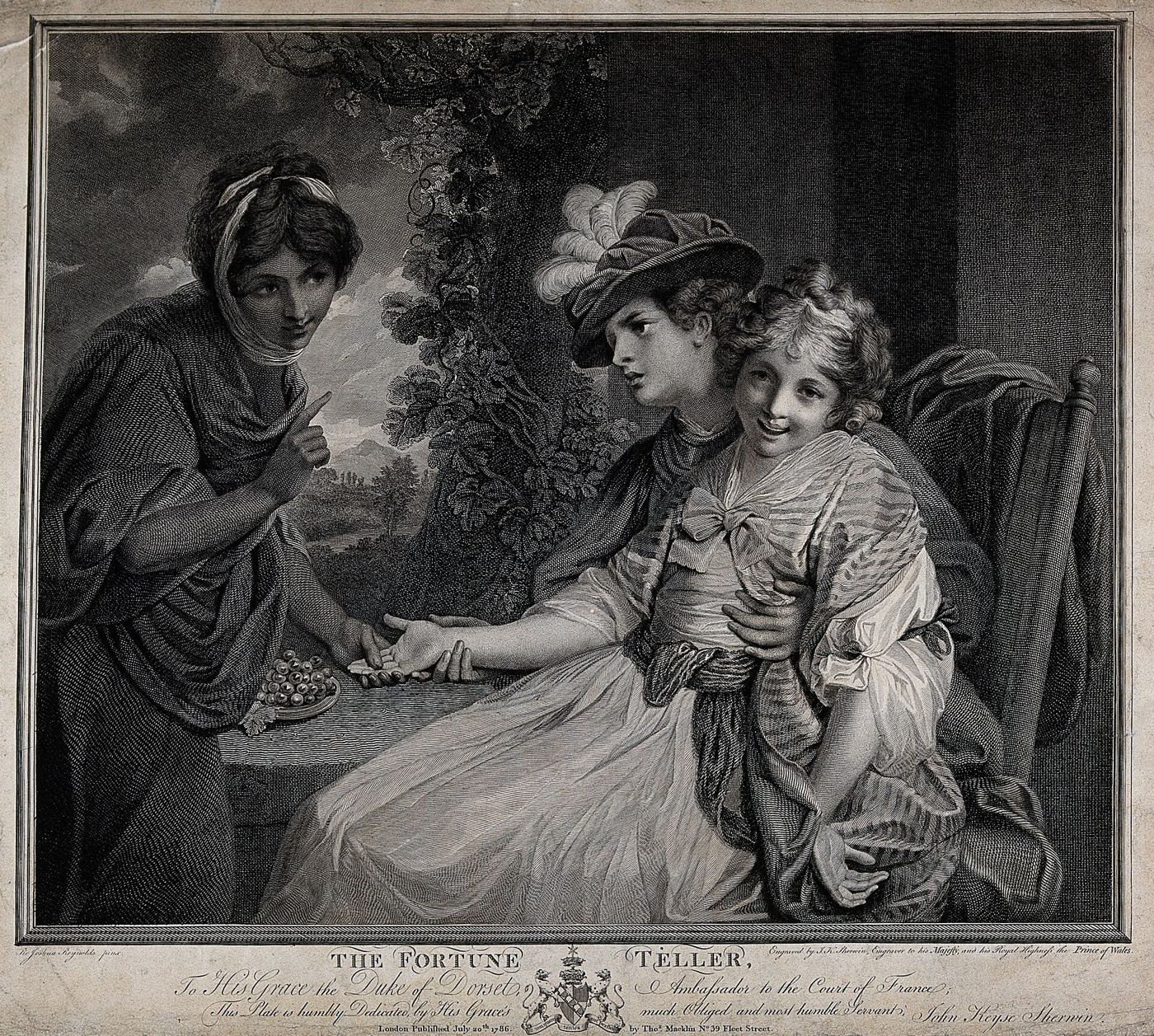
In 1948, the psychologist Bertram Forer gave his students a personality test and then handed each of them what he claimed was a personal reading based on their results. The students rated the reading as remarkably accurate, giving it an average score of 4.3 out of 5. What they did not know was that every student had received the same text, assembled from a newspaper horoscope, with vague statements such as you have a need for other people to like you and you have a great deal of unused capacity. The experiment showed how readily people accept flattering, general descriptions as uniquely true of themselves, a tendency now called the Barnum effect after the showman P.T. Barnum.
What the Evidence Shows
The Barnum effect explains much of the appeal of horoscopes, fortune telling and personality quizzes that promise to reveal who you really are. Statements that are vague enough to fit anyone, yet phrased as if they were personal, feel true because we fill in the details from our own lives. The effect is strongest when the reading is positive, when we believe it was prepared just for us, and when the person delivering it seems authoritative. Forer repeated the experiment many times and always got the same result. The finding is now a standard warning in psychology courses: a description that could apply to anyone tells you nothing about anyone, no matter how true it feels. Reporting and analysis from sources such as Nature Human Behaviour track the same developments, and specialists following the Barnum effect say the direction is now consistent across independent lines of evidence.
The Wider Context
The wider context is a discipline rebuilding confidence through replication and pre-registration, and findings on the Barnum effect are being reported with their effect sizes and limits attached. That honesty can make results sound smaller than the headlines of a decade ago, but the effects that survive are the ones practitioners can responsibly build on.
What Happens Next
What happens next in research on the Barnum effect is a turn toward real-world trials: longer, larger and conducted in the schools, workplaces and clinics where the findings are meant to apply. Psychologists are also studying individual differences more seriously, because average effects conceal the people for whom an approach works powerfully and those it leaves cold. Both shifts make the science slower and more useful. You can follow related developments in our coverage of psychology.
None of this will be settled by a single announcement, study or product launch. The pattern to watch is accumulation: independent confirmations, honest reporting of failures and steady improvement in the underlying numbers. Readers who follow those signals, rather than the loudest claim of the week, will understand this subject better than most of the commentary surrounding it suggests is possible.