
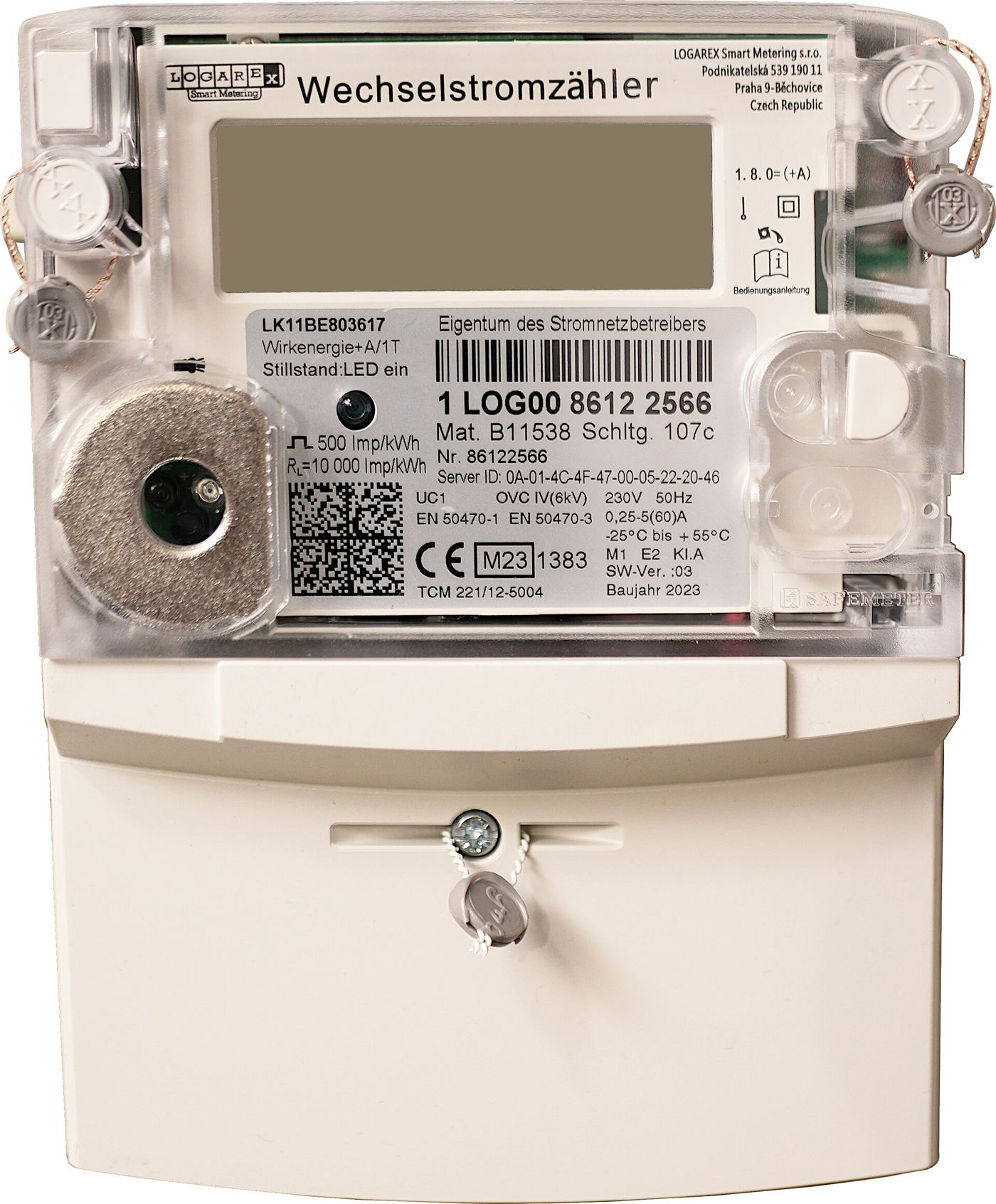
Comparing your electricity use with your neighbours can help you save power, according to a new study by consumer psychologist Dr Yavor Paunov and colleagues. In a 24-week field experiment, the team studied 140 student households in Stockholm, giving some households information comparing their consumption with others and others practical energy-saving tips. Both measures curbed the seasonal increase in electricity use during the winter months, and combined they saved seven megawatt-hours of electricity. The study, published in Scientific Reports, shows that simple psychological nudges can change real behaviour. The households were all students living in university accommodation in Stockholm, and the experiment ran through the winter when heating and lighting push electricity use sharply higher. By comparing the groups, the researchers could separate the effect of social comparison from the effect of practical advice, and see how the two worked together.
What the Evidence Shows
The experiment compared two approaches: nudges, which gently steer behaviour through information and social comparison, and boosts, which build people’s skills and knowledge so they can make better decisions themselves. Both worked, which suggests households do not need expensive technology or large incentives to cut waste, just clear feedback and useful advice. The authors note a limitation: the study focused on student residence halls, so the results may not generalise to all households. Even so, energy providers and policymakers are taking note, because small savings multiplied across millions of homes add up quickly. The idea behind the comparison is simple: people care about how they measure up to others, and learning that neighbours use less power can motivate them to switch off lights and lower the thermostat. The tips, by contrast, worked by showing people exactly what to do, from shorter showers to turning down radiators in unused rooms. Reporting and analysis from sources such as Nature Human Behaviour track the same developments, and specialists following the psychology of saving electricity through comparison say the direction is now consistent across independent lines of evidence.
The Wider Context
The wider context is a discipline rebuilding confidence through replication and pre-registration, and findings on the psychology of saving electricity through comparison are being reported with their effect sizes and limits attached. That honesty can make results sound smaller than the headlines of a decade ago, but the effects that survive are the ones practitioners can responsibly build on.
What Happens Next
What happens next in research on the psychology of saving electricity through comparison is a turn toward real-world trials: longer, larger and conducted in the schools, workplaces and clinics where the findings are meant to apply. Psychologists are also studying individual differences more seriously, because average effects conceal the people for whom an approach works powerfully and those it leaves cold. Both shifts make the science slower and more useful. You can follow related developments in our coverage of psychology.
None of this will be settled by a single announcement, study or product launch. The pattern to watch is accumulation: independent confirmations, honest reporting of failures and steady improvement in the underlying numbers. Readers who follow those signals, rather than the loudest claim of the week, will understand this subject better than most of the commentary surrounding it suggests is possible.