
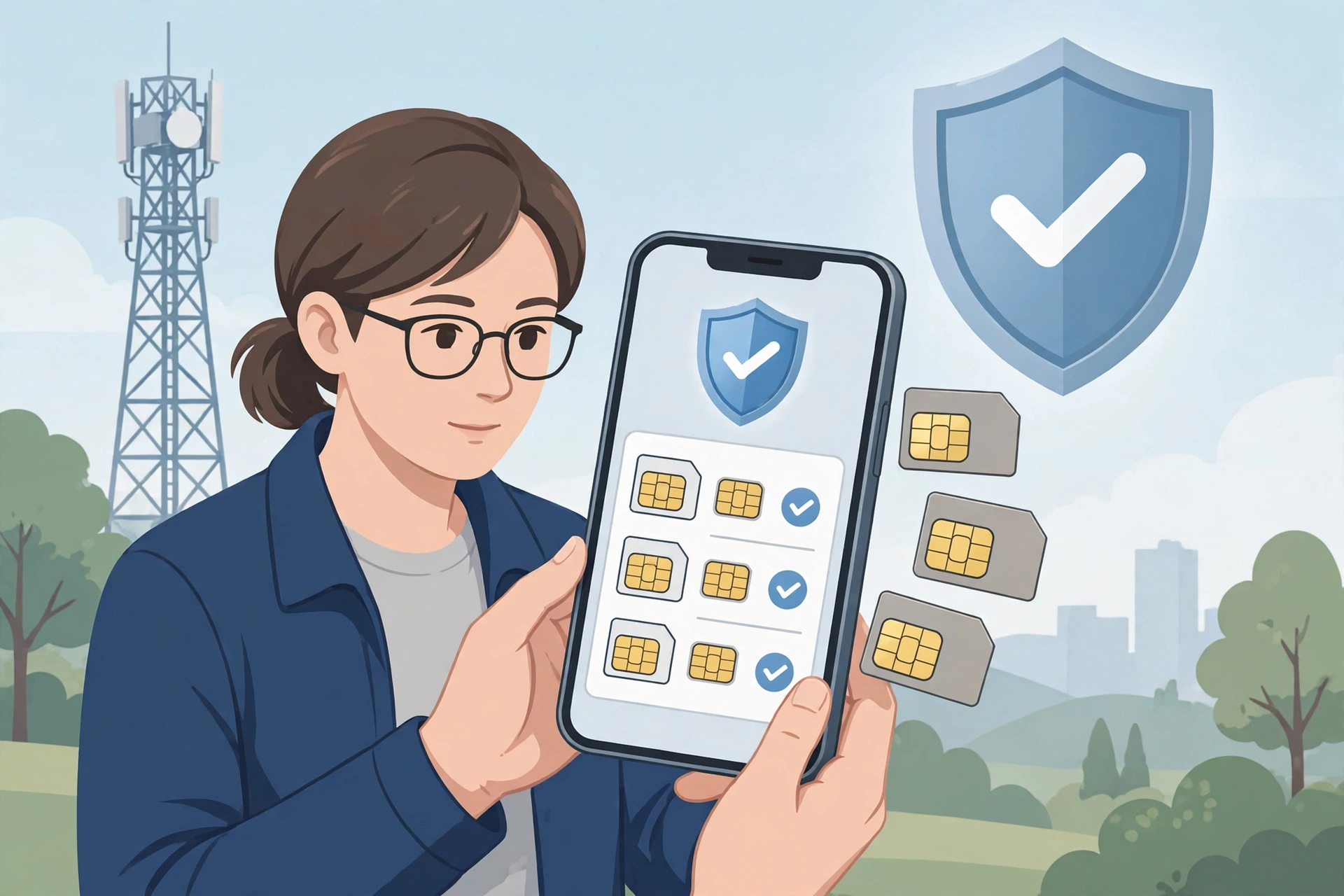
Most people assume they know exactly how many mobile numbers they own: one, maybe two. Yet across India, connections taken years ago, numbers activated by agents during offers, and in the worst cases SIM cards issued fraudulently using copied identity documents, can all sit quietly registered against a person’s name. Those unknown numbers matter, because a connection in your name is legally your responsibility, and criminals prize SIM cards they can use without the connection pointing back at them. Fortunately, checking takes only a few minutes through the government’s official portal.
Why Unknown Connections Are a Real Risk
A mobile number is no longer just for calls. It is the key that receives bank one-time passwords, resets passwords on email and social accounts, and verifies identity across digital services. If an unknown number registered in your name falls into the wrong hands, it can be used for scams, harassment or financial fraud, and investigators will knock on your door first, because the records say the connection is yours. This is the same family of crime described in our guide on how to spot and stop SIM fraud, and checking your own record is the simplest preventive step available.
What TAFCOP Is
TAFCOP, short for Telecom Analytics for Fraud Management and Consumer Protection, is a facility of the Department of Telecommunications, now integrated into the Sanchar Saathi initiative. It lets any subscriber enter a mobile number, verify it with a one-time password, and see the list of connections issued against the same identity. Just as importantly, it lets you flag connections you do not recognise or no longer need, which triggers verification by the telecom operator and disconnection of numbers that cannot be justified. The service is free and is designed for ordinary consumers, not technical experts.
Step by Step: Checking Your Connections
Start at the official TAFCOP portal on Sanchar Saathi, and be careful to use this exact government address rather than look-alike sites or apps, which are a known phishing trick. Enter one of your active mobile numbers and request the one-time password. Type in the OTP and the portal displays the connections associated with your identity. Go through the list carefully: it may include older numbers you had genuinely forgotten, a second SIM in a tablet or router, or a family connection taken on your documents with your knowledge. For each entry you do not recognise or no longer use, select the appropriate report option, “Not My Number” for connections that were never yours and “Not Required” for ones you once had but want closed, then submit. Keep the acknowledgement reference safe.
What Happens After You Report
Reporting does not disconnect a number instantly, and it is not supposed to. The operator first re-verifies the flagged connection, contacting the person actually using it and demanding valid proof of identity. If that verification fails or the user cannot justify the connection, the number is disconnected. Genuinely yours and in use? Nothing changes. This cautious process protects people whose numbers were taken in their name by relatives or during legitimate purchases with paperwork errors, while still closing the door on fraudulent connections. The wider Sanchar Saathi portal also offers related tools, including reporting lost or stolen handsets and checking a phone’s IMEI before buying a second-hand device.
Habits That Keep Your Identity Safe
The check is only half the story; prevention is the other half. Never hand over copies of identity documents to unofficial sellers, and when a shop photocopies your ID for a legitimate activation, write the purpose and date across the copy so it cannot be reused. Buy SIM cards only from authorised outlets, be suspicious of offers promising pre-activated connections, and never share an OTP with anyone claiming to be from your operator or bank. These habits fit the broader pattern of digital public services becoming safer and more central to daily life, the shift described in our article on 5G and digital public services transforming daily life across India.
Five Minutes, Once a Year
You do not need to check every week. A sensible rhythm is once a year, or whenever you move, change operators or hear of fraud in your area. The whole process, portal login, list review and reports included, rarely takes more than five minutes. For that small effort, you close one of the easiest doors available to identity fraud, and you gain the quiet certainty that every mobile number carrying your name is one you actually chose to have.
1 thought on “How to Check How Many Mobile Connections Are Issued in Your Name, and Why It Matters”